Getting a Roofing Quote in Sudbury: What to Prepare Before You Ask
A practical checklist for explaining the job, planning an assessment and comparing proposals for your home.
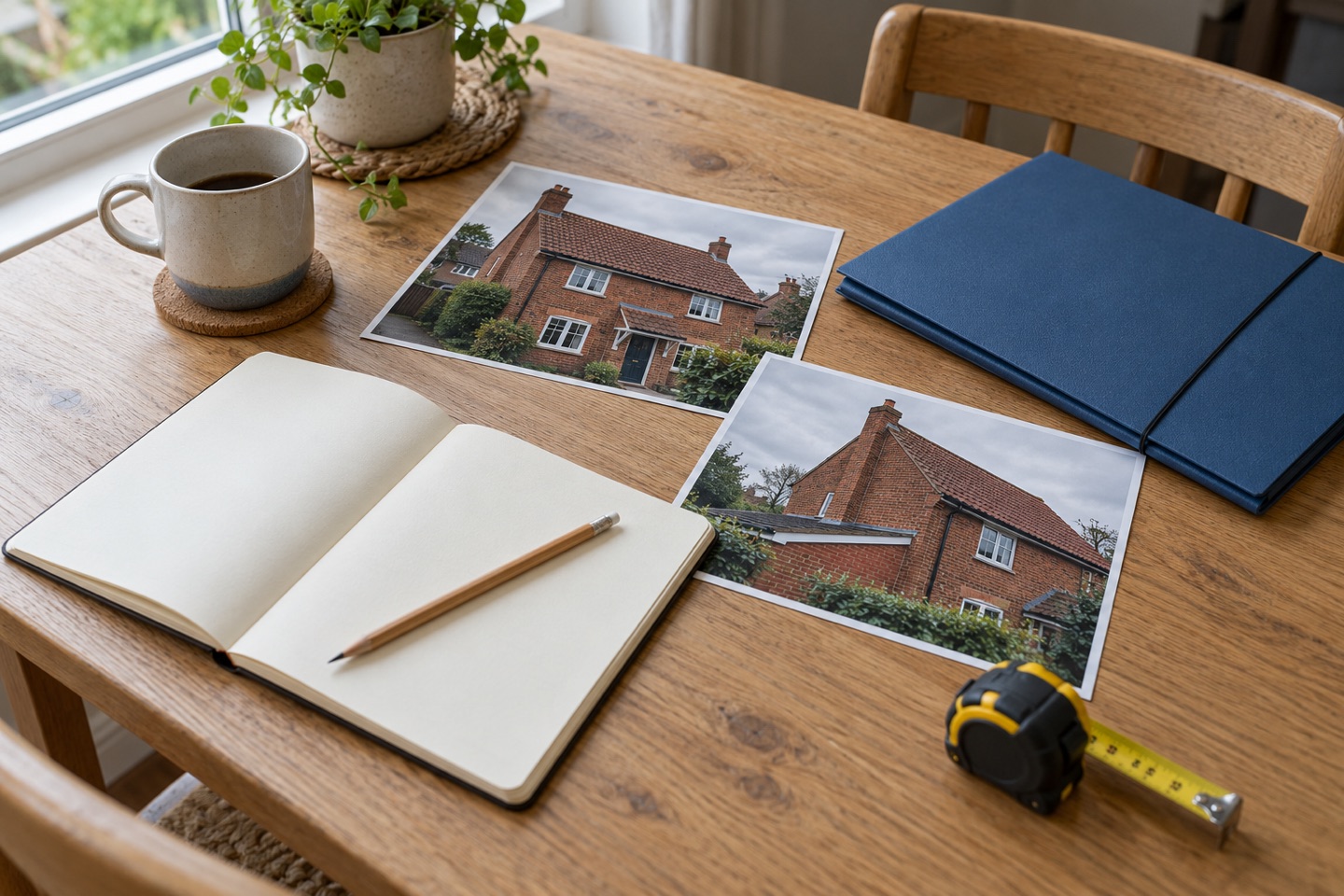
A useful roofing quote starts before anyone puts a price on the work. The first enquiry needs to explain the property, what you have noticed and what you want assessed. That gives a prospective contractor something concrete to respond to and makes later proposals easier to compare.
For homeowners in Sudbury and the surrounding villages, a short written brief can cover most of the essentials. You do not need to diagnose the fault or measure the roof yourself. Separate what you know from what still needs professional investigation.
Describe the problem in ordinary language
Start with the part of the property affected: the main house, a garage, an extension or a separate outbuilding. Say whether it has a pitched or flat roof if you know, and describe what you can actually see. “Water appears above the upstairs window after heavy rain” is more useful than guessing that all the tiles need replacing.
Include when the issue first appeared, whether it is getting worse and any previous repairs. If work is planned rather than prompted by a fault, explain the intended outcome: renewing a garage covering, investigating a roof before a purchase or assessing a rooflight junction, for example. Ask for the cause and proposed scope to be established before treating a replacement as the default.
Gather existing records and safe photographs
Old invoices, previous inspection reports, drawings and details of the covering can help a contractor understand the history. Tell them which records you have; you can agree how to share relevant copies once you know who is handling the enquiry. A wide photograph from ground level can show the property and access, while a closer image of an indoor stain can document its position.
Stay off the roof to collect information. The HSE’s guidance on fragile surfaces explains why roof access requires competent assessment and suitable precautions. An image taken safely is useful background, not a substitute for an inspection. The SPAB’s roof maintenance advice also notes that visible signs of water can occur away from its entry point.
Explain the location and access
Give the property postcode and mention relevant access arrangements: a narrow side passage, a shared driveway, a conservatory beneath the affected slope or a business that must remain open. These details help a contractor plan an assessment and identify questions about safe access. Do not promise access across a neighbour’s land before agreeing it with them.
For a local starting point, Sudbury Roofing accepts roofing enquiries for Sudbury and nearby villages, including Great Cornard and Long Melford. It describes itself as an independent enquiry service that reviews requests and, where appropriate, helps connect people with suitable local businesses. Explain the job and postcode clearly; sending an enquiry does not itself book an appointment or guarantee attendance.
Keep the first enquiry brief and usable
A compact checklist is often enough to start the conversation:
- Property postcode and the roof or building affected.
- The visible problem, when it happens and how long it has been present.
- Previous work, reports or photographs available.
- Relevant access constraints and any known historic-building status.
- Whether you need an investigation, a repair proposal or a quote for planned work.
- Your preferred timing and how to contact you.
For active damage, make clear what is happening now. A routine online enquiry should not be relied on for emergency attendance. Keep clear of falling material or unstable areas and arrange appropriate direct help if there is an immediate safety concern.
Compare the written scope before the total
Give each prospective contractor the same brief, then compare what their proposals include. One may allow for scaffolding, disposal and adjoining details, while another may price only the visible covering. Those totals are not directly comparable until the differences are understood.
Ask the written proposal to identify the affected area, materials and work included; access and weather protection; waste removal; exclusions; and how concealed damage or additional work would be agreed. Clarify the total, whether VAT is included or applicable, payment stages, likely programme and the terms of any guarantee. Keep responsibility for project-specific permissions and completion records explicit.
If recommendations differ between repair and full renewal, ask what evidence supports each option. Our guide to repairing or replacing a roof gives further questions to take into that discussion. A new-build estimate calculator cannot replace a property-specific assessment of an existing roof.
Check who will carry out the work
Confirm the business’s identity, relevant experience, insurance arrangements and who will supervise the job. Ask for the details behind any claimed trade membership and check them directly. The NFRC’s homeowner FAQs explain how to check its member directory; displaying a logo alone is not confirmation of current membership.
Keep the agreed scope, correspondence and completion documents together. The aim of the first enquiry is straightforward: give the assessor enough useful information to investigate, then make the proposed work clear enough for you to understand before agreeing to it.